
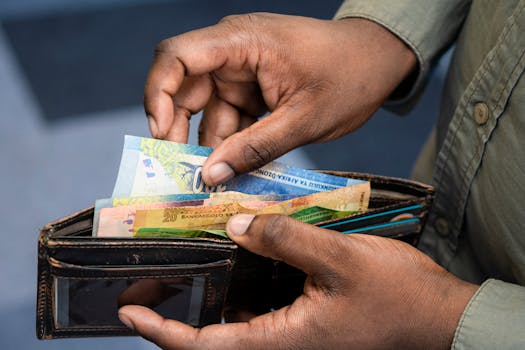
Unexpected expenses can knock anyone off course, and for many, falling into debt traps can feel like sinking sand. Recovering from financial hardship needs practical steps and steady focus.
South Africans face unique economic challenges, which means staying out of debt traps requires both vigilance and knowledge. Knowing where risks lurk makes the difference between surviving hardship and spiralling further into debt.
This article explores proven ways to spot, sidestep, and escape debt traps, using real-life examples and actionable strategies all tailored for South African realities. Let’s get started.
Spotting Early Warning Signs Before Debt Gets Unmanageable
Identifying red flags right away helps you avoid worsening debt traps. Notice changes in payment habits and address them before they stack up.
If your monthly payments start getting harder to make, or bills are piling up, you’re seeing the earliest markers of possible debt traps.
Recognise Patterns That Signal Financial Danger
Missing a bill payment once might seem minor, but repeated late fees show patterns that escalate. Keep a written log of all monthly due dates to reveal trends quickly.
A shrinking bank balance before payday, coupled with multiple reminders, reveals a pattern. Saying, “I’m always a week behind,” signals time for immediate action.
Tracking emotional cues also matters. Feeling anxious before opening post or ignoring calls from creditors shows debt traps could be tightening their grip.
Evaluate Debt Types and Prioritise Threats
Revolving debt, like credit cards and overdrafts, often pull you into debt traps faster than fixed loans. Write down all debts and highlight those with the highest interest rates.
If you’re considering payday loans or store cards, mark them as Danger Zones. These typically carry higher fees and make it harder to break free from debt traps over time.
Prioritise secured debts, such as car or home loans, to prevent repossessions. Establish a repayment plan for unsecured debts that won’t risk essential assets.
| Warning Sign | Example Behaviour | Debt Trap Risk (1-5) | Immediate Action |
|---|---|---|---|
| Multiple Late Fees | Two or more bills paid after due dates | 4 | Set calendar alerts for payment schedules |
| Maxing Credit Limits | Cards or overdrafts at 90%+ limit | 5 | Freeze spending and budget repayments |
| Ignoring Creditor Calls | Letting calls go unanswered for weeks | 3 | Contact creditors to negotiate terms |
| Borrowing to Repay | Taking new loans to cover old ones | 5 | Seek alternative repayment solutions |
| Emotional Stress about Money | Trouble sleeping, avoiding discussions | 2 | Speak with a counsellor or support network |
Building a Personal Debt Prevention System That Lasts
Creating a clear, personalised plan makes steering clear of debt traps easier and more sustainable. You’ll anchor habits that break cycles long before they start.
Begin with a monthly financial self-check. By reviewing your income and expenses in detail, you’ll head off surprises and keep your goals visible.
Regular Budget Reviews for Sustainable Progress
Update your budget at least once a month, noting shifts in expenses or income. If unexpected costs arise—like car repairs—adjust spending elsewhere immediately to keep balance.
Resist the urge to rely on credit to fill gaps. Instead, trim at least one non-essential expense to free up extra cash.
- Log every expense for two weeks: See real figures, not guesses. Knowing where every rand goes makes plugging leaks straightforward.
- Assign categories to spending: Tracking groceries separately from take-away meals highlights easy areas to target for savings.
- Set calendar reminders: Sync payment due dates with a mobile calendar. This prevents missed payments, which often lead into debt traps.
- Schedule weekly money check-ins: A short session each Sunday keeps financial health front-of-mind. Regular reflection builds resilience against debt traps.
- Use cash for discretionary items: Withdrawing a set amount for extras puts natural boundaries on spending, supporting habits that avoid debt traps.
Tracking habits pays off. Over time, you’ll spot patterns in spending and cut risk before it grows into a full-blown debt trap.
Create Emergency Buffers With Small Steps
Even on tight budgets, building a savings buffer matters. Start by stashing away small, regular amounts—R50 or R100 a week. Rename the account to Emergency Fund for clarity.
Celebrate every milestone, no matter how minor. Consistently setting aside even modest amounts blocks the emotional triggers that lead straight into debt traps.
- Round up spending: For every debit card purchase, round up the amount spent and move the difference into your emergency account automatically using your bank’s options.
- Sell unused items: List extra electronics or clothing online. Use the proceeds to reach your first R500 emergency target quicker.
- Delay instant purchases: Pause for 24 hours before buying anything unplanned. This pause often reduces emotional buys that tip you into debt traps.
- Set mini-goals: Aim for R500, then R1 000, then R2 500. Breaking up big savings targets stops overwhelm and makes progress tangible.
- Reward saving wins: Treat yourself with time outdoors or your favourite home-made meal whenever you hit a savings milestone, reinforcing the habit.
If sudden expenses arise, you’ll handle them calmly, without reaching for high-interest credit—the classic route into debt traps.
Steering Clear of Payday Loans and Quick-Cash Offers
Deciding now to avoid quick-cash solutions saves long-term pain. Payday loans pull you into debt traps with steep fees and tough repayment schedules, draining finances even further.
Stick to this non-negotiable: If an offer promises cash in minutes with little verification, walk away. The terms usually deepen debt traps rapidly.
Understand the High Cost of Instant Loans
Payday lenders may offer R1 000 in less than an hour, but repayments balloon to R1 400 or more within weeks. This interest snowball traps borrowers quickly.
Statements like, “Just sign here and get money now,” should trigger a full stop. Stress the point: these products lock you into a repeating debt cycle immediately.
Those “interest only” minimum payments don’t clear debt—they trap you. Commit to reading all the fine print and asking, “What’s the total cost?” every single time.
Identify Safer Alternatives Before Hardship Strikes
Explore borrowing from family, small microloans from trusted community funds, or talking directly to creditors. These options usually carry lower costs and less risk of debt traps.
If you need immediate help, call your bank and ask for a brief repayment holiday while you reorganise finances. Be clear about the terms and timeline.
Comparing credit options with a friend or trusted advisor can help spot red flags. “Let’s read the small print together,” makes risk less likely and strengthens your decision-making.
Choosing Tools That Help—Budget Apps, Envelopes, and Reminders
Picking the right tools supports your ongoing escape from debt traps. Hands-on systems reinforce discipline even when motivation dips.
The right technique fits your personality. Try hands-on, visual aids if digital methods don’t stick for you. Consistency wins out over complexity every time.
Match the System to Your Habits and Lifestyle
Paper budgets give structure if you like to write things down. Use cash envelopes for groceries, fuel, and treats, so each category is visible and limited.
App users can leverage free tools from major banks or independent budget apps. Set up automated bill alerts that buzz the day before payments are due.
Use sticky notes on your fridge: “Paid up on rent!” Or, if you forget digital reminders, ask a family member to check in weekly—shared accountability protects against debt traps.
| Tool/Method | How It Works | Best For | Next Step |
|---|---|---|---|
| Budget Apps | Tracks spending, creates alerts | Tech-savvy users | Download, link bank accounts, set limits |
| Envelope Method | Cash sorted for categories | Visual learners | Label envelopes, divide monthly cash |
| Spreadsheets | Customisable, detailed tracking | Detail-oriented planners | Create template, enter expenses weekly |
| Bank SMS Alerts | Text notifications for balances | Anyone with a mobile phone | Activate from your bank dashboard |
| Family Check-ins | Accountability through group support | Joint or family budgets | Set weekly check-in time, share progress |
Setting Boundaries to Prevent Temptation: Social and Emotional Strategies
Putting clear rules around money helps steer clear of social pressure and temptation—both huge feeders of debt traps in daily life. Build protective boundaries now.
Share your financial goals openly with trusted people. Direct conversations help avoid situations that often lead into debt traps, like group spending or unexpected expenses.
Script Hard Conversations for Social Events
If friends want to split costs for a weekend away, use scripts like, “I’m saving up for something important, so I’m sitting this one out.”
Learning phrases like, “Not this time, but maybe next,” keeps you in control. Make eye contact and stand firm—body language reinforces your choice and discourages pressure.
When asked for loans you can’t afford, respond confidently: “I can’t lend right now, but I hope things improve for both of us soon.”
Anchor Emotions with Healthy Routines
Notice urges to “treat” yourself after a bad day. Instead, try a five-minute walk or a comforting call with family—break the association between emotion and spending.
If sadness or boredom fuels online shopping, add a 24-hour pause before buying. Use that time to journal or plan a free activity with friends.
Regular gratitude exercises—like listing three good moments daily—shift focus away from what you lack, lowering the emotional pull toward debt traps.
Scaling Down Obligations: Renegotiating and Pausing Debts During Crisis
When the budget breaks, proactive renegotiation interrupts the path into debt traps. Use concrete language with creditors for realistic relief without shame.
Debt traps tighten for those who wait passively. Reaching out early gives more choices, like restructuring payment plans before defaults occur.
Contact Creditors With Specific Requests
When you know you’ll miss a payment, phone the creditor and explain: “I’ve lost income; can we pause or reduce payments for three months?” Document every agreement.
Be honest—“Here’s my new monthly budget; what options can you offer?”—since transparency speeds up solutions. Record all calls, noting the person spoken to and agreed terms.
Always follow up in writing to confirm new arrangements and avoid confusion. Keeping emails ensures you have proof in case of future disputes.
Simplify the Debt Portfolio Where Possible
Ask banks to consolidate multiple high-interest debts into a single manageable payment. The phrase, “Can you show me a combined statement with lower fees?” gets the conversation started.
Opt for minimum repayments only temporarily—just enough to protect your credit record while you catch up. Revisit terms every quarter to squeeze costs lower if possible.
Stay alert to new offers labeled as “consolidation” but that actually add fees. Only use registered, reputable lenders—double check credentials before signing anything to avoid new debt traps.
Building Forward: Creating Lasting Change After Escaping Debt Traps
Keeping momentum once you’ve escaped debt traps means putting systems in place so you never slip backward. Each new habit becomes a block in your financial foundation.
Schedule monthly check-ins using payment calendars or group chats with family. Celebrating progress makes positive financial behaviour stick and shields you from future debt traps.
Refine your game plan after each month. Identify what worked best—whether it’s cash budgeting or weekly reviews—and double down on these strengths to make steady progress away from debt traps.
