
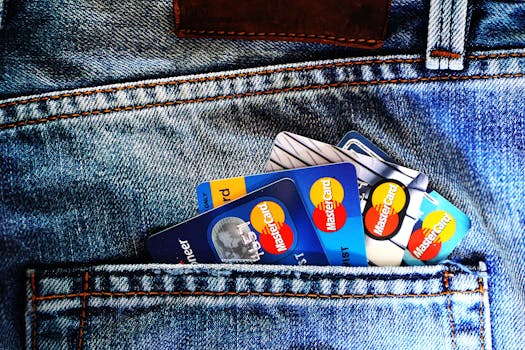
Most people have swiped a card and paused, wondering if it’ll go through. Credit limits lurk in the background, shaping these moments and shaping financial choices daily.
Credit limits matter for everyone, not just those with massive credit cards. They affect how you spend, save, and plan future goals—and set the tone for financial stability.
If you want your money to work smarter, understanding credit limits and responsible usage unlocks confidence. Dig in and discover clear steps to better habits, control and peace of mind.
Setting the Right Credit Limit to Match Your Budget
Picking the perfect credit limit supports healthy finances. Choosing a limit that fits your monthly budget prevents debt from stacking up and relieves future pressure.
It’s tempting to accept maximum offers, but sticking to your comfort zone means you’ll use credit limits without risking repayments you can’t meet.
Identifying a Limit that Aligns with Income
Start by weighing your take-home pay against monthly expenses. That’s your spending boundary—use it as a guide to decide what credit limits won’t stress your resources.
If you earn R15 000, and your living costs total R10 000, keeping a modest credit limit in the range of R5 000 safeguards your lifestyle and savings.
Staying realistic about your budget keeps daily spending on track and stops small costs from sneaking up toward your limit unexpectedly.
Adjusting Credit Limits as Circumstances Evolve
Life changes fast—job promotions, new family members, or unexpected bills can shake your budget. Revisiting credit limits every six months ensures they match your current reality.
A key sign your credit limit is too high? You find yourself tempted by large impulse buys or struggling to clear balances monthly. That’s when scaling back keeps risk manageable.
Conversely, if you’re using most of your available credit without trouble, raising your limit just enough might aid credit utilisation ratios and support your credit score.
| Scenario | Monthly Income | Recommended Credit Limit | Takeaway |
|---|---|---|---|
| University student, part-time job | R5 000 | R1 000 | Start low, learn habits |
| Young professional, rent & car payment | R15 000 | R5 000 | Leave room for savings |
| Small business owner, variable income | R20 000 | R7 000 | Account for fluctuations |
| Family, household expenses | R25 000 | R10 000 | Flexibility is key |
| Seasoned professional, stable job | R35 000 | R15 000 | Monitor spending discipline |
Balancing Spending: Smart Strategies to Avoid Overreliance on Credit
Actively balancing everyday spending with your assigned credit limits keeps you safe from debt traps. The right strategies block high balances from sneaking up on you unexpectedly.
Dividing purchases between cash and credit helps keep overall debt manageable—and prevents your credit limits from feeling like extra income.
Tracking Purchases by Category to Keep On Top
Sorting card buys into buckets—groceries, transport, fun—shows where credit limits are stretched. When categories start ballooning, it’s time to adjust habits before debt creeps in.
If you find you’re spending 60% of your limit on dining out, one smart move is to switch to home-cooked meals for a month and redirect the savings.
- Separate card types: Use different cards for groceries and entertainment. Each time you swap cards, you quickly notice which spending rises unexpectedly—and rein it in.
- Set alerts: Banks allow notifications as you approach your credit limits. These keep you aware and help pace purchases week to week.
- Weekly budget reviews: Every Sunday, list card expenses and compare them with your plan. Catching overruns quickly prevents habits from hardening.
- Cash envelope system: Withdraw fixed amounts for categories. If the envelope is empty midweek, pause on using more credit limits for that category.
- Accountability partner: Telling someone your limit and sharing progress—“I stayed under R2 000 on my card this month”—boosts discipline and reinforces healthy usage.
Incorporating these tactics prevents accidental overuse and keeps your focus on real affordability, not temporary card power.
Separating Essential and Discretionary Spending in Practice
Only essential costs—utilities, transport, emergencies—should ever approach your credit limits. Fun or splurge spending feels exciting but can snowball when unchecked.
- Mark essentials only: At the checkout, ask, “Is this a necessity or a treat?” Only swipe your card for needs—find satisfaction in skipping luxuries when credit limits are tight.
- Create do/don’t list: “Do pay for petrol with my card; don’t buy takeaways on credit unless I’ve underused my limit.” Post this list on your phone or wallet for handy reminders.
- Review monthly statements carefully: Scan for patterns: is entertainment eating up your credit limits each month? If so, adjust immediately—don’t wait for the slip to become a slide.
- Limit online shopping accounts: The more sites remember your card, the easier it is to max out. Limit saved cards to one essential merchant, never more.
- Celebrate restraint: Each time you keep spending below a set target, reward yourself with something free—a movie night at home or a nature walk.
By keeping essential purchases as the priority, you protect your budget and build self-awareness with credit limits.
Paying Bills on Time: Preserving Access and Protecting Your Score
Reliable repayment habits help ensure you retain access to increased credit limits and improve your reputation with lenders for any future financial needs.
Managing due dates becomes a breeze when automated tools or reminders are part of your system—minimising the risk of overlooked bills or penalty interest.
Automating Payment Schedules for Consistency
Set up automatic monthly debits for your minimum required payment. This approach ensures you never miss a deadline, protecting your credit limits and boosting your credit profile.
Pair automation with calendar warnings a few days early: “Time to check my account balance”. That way, you avoid rejected payments due to low funds on payday.
Should you notice payment reminders becoming a source of relief rather than stress, that’s proof you’ve lowered your risk of fees and kept your credit limits healthy.
Using Staggered Repayment Dates to Manage Cash Flow
If you have several accounts, request different due dates. Staggered payments prevent all bills from clashing on one payday—helping you manage your cash flow with less anxiety.
One person explains, “I moved my main card due date closer to my salary date. Now, I pay it before splurging, so I protect my credit limits and never miss a beat.”
Apply this by calling your bank and asking for a date change—usually, it’s as simple as a one-minute request online.
Using Credit Limits to Build Financial Flexibility and Safety Nets
By handling credit limits wisely, you set up a shield against emergencies and sudden costs. Every positive step makes credit work for—not against—your stability and security.
Avoid treating your credit limits as first resorts when cash is short. Save them for real needs, reinforcing your sense of control at crunch time.
Developing a Personal Emergency Protocol for Credit Use
Write out a rule for yourself: “I’ll only tap into my credit limits for home repairs, medical bills, or unavoidable travel.” Stick it in your wallet for a daily reminder.
Share this protocol with your partner or family. If temptation strikes, let them reinforce the rule, so you keep credit limits untouched except for emergencies.
Practice self-checks: “Am I reaching for my card because I want something, or because it’s truly needed?” This question helps anchor decisions in reality.
Building a Buffer Fund to Support Credit Limits
Commit to saving a specific sum—maybe 10% of your monthly income—into a buffer account. If the car won’t start or a geyser bursts, you handle the bill yourself first.
Match each deposit to a fraction of your credit limits. For every R1 000 on your card, put R100 in your buffer fund. Over time, this cushions you from future card debt.
As your savings habits grow, your reliance on credit limits shrinks. Reward progress by taking stock of your buffer every few months—and celebrating small wins.
Maintaining Healthy Credit Utilisation for a Strong Credit Profile
Keeping balances below 30% of your credit limits boosts your credit score and proves you’re disciplined. Avoid maxing out—low utilisation keeps lenders and future opportunities on your side.
Regularly paying off your full monthly balance signals maturity to credit bureaus and makes you an attractive candidate for loan or mortgage approvals down the line.
Calculating and Tracking Your Utilisation Rate
Divide your current card balance by your assigned credit limits to find your utilisation percentage. If R1 500 of R5 000 is used, you’re at a safe 30% spot.
Track the rate monthly in a smartphone note or spreadsheet. If usage creeps higher than 40%, hold back on spending until payments bring it down.
Steady, low balances attached to your credit limits signal reliability to lenders. This paves the way for rate reductions and more options in the future.
Timing Purchases to Keep Ratios Low
Pay off big purchases a few days before your billing cycle closes. That way, the credit bureau sees low balances—the trick maximises how your credit limits boost your score.
If tempted by a major buy, first ask: “Will this push my utilisation too high?” If yes, delay the purchase a week, or split payments across two cycles instead.
Copy and paste this routine every pay cycle. Over time, you’ll find it easier to control how your use of credit limits shapes your financial profile.
Responding Proactively to Credit Limit Increases or Decreases
If your credit limit changes, take control of what happens next. Any limit adjustment—up or down—should trigger a fast review of your spending patterns and planning process.
Never assume that a higher credit limit means you must spend more. Instead, treat adjustments as reminders to double-check your current discipline.
Reacting to Increased Limits from Lenders
When you receive a credit limit increase, pause before celebrating. Ask yourself: “Do I really need extra room, or is this a temptation to overspend?”
Consider declining the higher limit if you feel it might encourage bad habits. Script: “Thank you for the offer, but I’d like to keep my current limit for now.”
If you accept, stay vigilant about your utilisation rate and set tighter alerts so you don’t slide into using the extra space impulsively.
Addressing Unexpected Reductions in Credit
Should your bank reduce your available credit limits, avoid panic. Immediately cut discretionary expenses and funnel any extra cash toward payments to boost your available limit over time.
Contact your lender and ask for the reason: “Can you explain why my limit has changed?” This clues you into what to adjust to prevent another decrease.
Record all changes and dates, so your future budgeting incorporates the new numbers—restore confidence by adjusting your plan within a week.
Conclusion: Building Long-Term Confidence with Credit Limits
By applying these clear habits, you transform credit limits from a source of stress into a tool for growth and safety. Each smart action strengthens your financial confidence.
Every decision you make around credit limits echoes in your credit score, lifestyle, and savings. Adapt, monitor, and celebrate small wins to ensure ongoing progress.
Treat responsible credit usage as a lifelong skill—one that supports your dreams, shields you from setbacks, and empowers you to face the future with purpose.
