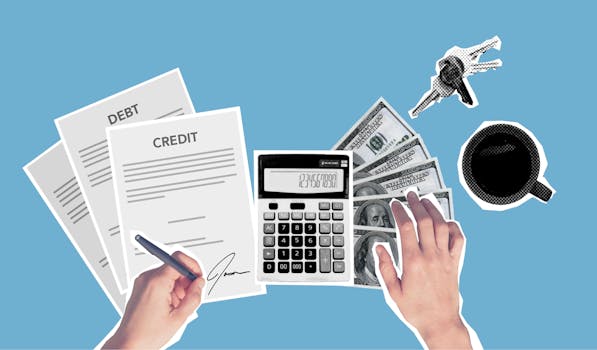
Borrowing money can solve immediate problems, but risky loans may leave a lasting impact on daily life. Many people only see the quick cash, not the bigger picture.
South Africans face a host of choices when it comes to borrowing, with high-risk loans being widely available but not always well understood. These options come with real, lasting financial consequences.
Read further to discover what sets high-risk loans apart, why their appeal can backfire, and practical strategies to keep your finances stable under any circumstances.
Spotting red flags when considering risky loans changes what you say at the bank
Learners who understand risky lending see beyond the promise of easy access. This approach helps you spot problems early and use specific questions at the bank.
Ask, “What’s the interest rate if I skip a payment?” or “Is this high-risk loan going to affect my credit record even if I pay on time?”
Comparing loan types by financial impact before signing the paperwork
Secured loans use your assets as security. If you fail to pay, you could lose your house or car. With unsecured high-risk loans, nothing is pledged, but the interest rates shoot up quickly.
In store, a manager might say, “We just need a signature and some quick paperwork.” The convenience is tempting, but the rules in the fine print lock you in.
Consequence-based thinking means asking: “Will I still be able to pay my monthly bills if this new debt gets added?” Copy that wording for every new loan negotiation you face.
Why payday and microloans lead to new cycles of borrowing for many people
Someone stuck in a short-term cash emergency spots an ad promising “Instant approval!” That high-risk loan seems harmless and quick.
Two months later, repayments eat up half of the salary, and cash runs out before food shopping is done. The borrower might say, “Just this once, I’ll take out another to cover the shortfall.”
That second high-risk loan starts a cycle: more debt, more interest, more pressure. Before accepting, pause and ask, “Will this fix my problem—or start a bigger one?”
| Loan Type | Typical Interest Rate | Repayment Pattern | Key Risk/Takeaway |
|---|---|---|---|
| Secured Personal Loan | 13-25% APR | Monthly instalments, fixed term | Asset can be repossessed if you default |
| Unsecured Personal Loan | 18-35% APR | Monthly or biweekly payments | Higher rates, possible negative mark on credit |
| Payday Loan | 36-60%+ APR | Lump-sum, due next salary | Can trigger repeat borrowing—skip if possible |
| Credit Card Cash Advance | 22-29% APR plus fees | Varies, rolling balance | Interest starts immediately, fees build rapidly |
| Microloan | 25-60% APR | Small amounts, quick repayment | Short terms increase payment shock—plan repayments carefully |
Building protective habits helps manage high-risk loans without long-term regret
Proactive borrowers change financial outcomes by tracking every repayment and reading the contract twice before signing it. This habit limits surprises from high-risk loans.
Setting mobile reminders for payment deadlines prevents accidental late fees—an easy win for your budget, especially if you’re juggling multiple debts.
Updating your monthly budget to include high-risk loan payments
Add a line item, “high-risk loan payment,” to your monthly budget. Be honest about the amount and update immediately upon new debt.
Subtract the loan payment right after your salary lands. Prioritising it like rent or rates keeps your other expenses in balance—and stops late charges.
- Review loan statements weekly to catch mistakes or surprise charges before they grow. This action helps you contest errors quickly.
- Celebrate every month you make a full repayment with a small, planned treat. Linking loan progress to a reward keeps motivation high and borrowing regret low.
- Automate payments to avoid missed deadlines. Automation is easy to set up at most banks and sidesteps late fees from human error.
- Keep emergency savings—even if it’s small—while repaying high-risk loans. A safety net shields against new borrowing in case of a surprise expense.
- Negotiate with your lender when trouble starts. Saying, “I see a problem coming; can we adjust my payment?” is more effective the sooner you ask.
Habitual check-ins create financial resilience by practicing these steps month after month—track, pay, review, celebrate, and adapt as needed.
Responding to payment trouble without spiraling into more debt
If your payment falls behind, call the lender first—before the next due date. Use specific wording: “I can pay half this month, can I defer the rest?”
Repeat your payment plan in writing by email. Ask for written acknowledgment. This paper trail helps if disputes arise or you need to negotiate again next month.
- Prioritise high-risk loan payments over new subscriptions or optional purchases. Cutting extras is a short-term fix that prevents expensive default fees.
- Contact a nonprofit adviser if fear or stress builds. They’ll provide scripts to use and can sometimes mediate with lenders for smaller repayment amounts.
- List every debt with its minimum payment, and first pay those that threaten legal action or asset loss. This keeps your legal record clean.
- Set up SMS alerts for each loan due date, no matter how busy you are. Alerts trigger memory and action before an accidental lapse.
- Use weekend time to review all bills. Quiet, undistracted time helps you spot errors or upcoming payments you might miss during the week.
Sticking to these habits prevents late payment spirals and keeps the risks from growing each month.
Practical steps that help borrowers break free from high-risk debt traps faster
Paying off high-risk loans requires a step-by-step approach. By following specific actions and scripts, you gain confidence and make visible progress each month.
Making extra payments and ensuring every cent counts
Add R100 to each monthly payment even when the minimum is low. That small extra helps finish the high-risk loan sooner and cuts total interest paid.
Ask your lender, “If I pay extra, does it reduce the balance or only cover future payments?” Make sure each payment actually trims your debt rather than delaying a due date.
Use end-of-month windfalls, like tax refunds or work bonuses, to wipe out a big chunk of your highest-rate loan first. The earlier you act, the less stress you feel once you see those numbers fall.
Listing and prioritising loans using a debt snowball strategy
Start by making a simple list: what do you owe, at what interest rate, and what’s the next payment due date?
Target the smallest high-risk loan for full repayment first, while making minimum payments on the rest. This creates an early win and builds momentum.
Once one loan is cleared, roll its old payment amount into the next highest-risk loan. Each success sharpens focus, reduces worry, and turns the repayment process more manageable.
Long-term consequences of high-risk loans reflect in everyday credit life
A poor repayment record lingers for years—even after you finish paying. In South Africa, credit bureaus record defaults and legal judgments that future lenders will see.
High-risk loans also raise your debt-to-income ratio, limiting your ability to get home loans, car finance, or even cellphone contracts later on.
Impact of negative listings on credit applications and lifestyle plans
When you apply for new credit, lenders see unpaid high-risk loans as a direct warning sign. This can trigger a polite but firm refusal for other everyday needs.
Landlords, employers, and insurance providers may all check your records. One defaulted high-risk loan can block not just loans, but jobs or rent applications too.
Plan your debt as carefully as your career—ask yourself before every loan, “Will this still help me five years from now, or just today?”
Legal actions and collection steps set off by defaulting on high-risk loans
Miss multiple payments, and collections departments follow precise scripts to start legal action. Expect warning calls, then formal letters, followed by court proceedings if ignored.
South African law allows repossession of assets or garnishee orders against salaries after proper court procedures. These public records are difficult to clear later.
Avoiding this scenario means responding quickly to all letters—never let one go unopened. Clear, honest discussions limit legal fallout and future regret.
Signs your finances are safe from the risks that come with certain borrowing
The surest sign your financial health is stable is when you control spending, make room for emergencies, and avoid the urge to borrow for unnecessary expenses.
If you say, “I can wait until payday,” instead of jumping for high-risk loans mid-month, you’re building resilience and protecting future choices.
Budgeting routines that protect against enticing high-risk loan offers
Use zero-based budgeting to assign every rand a job—including saving for irregular expenses like school fees. This stops budget leaks before surprise loans feel necessary.
Maintain a “pause” habit before new purchases: wait 24 hours, review your budget, then decide if it’s urgent. This habit dials down urge-driven decisions for high-risk loans.
Share your financial goals with a trusted friend or family member who can check in monthly. The added accountability cuts down impulse borrowing.
Using digital tools and support networks to stay on track with repayments
Personal finance apps or a simple spreadsheet can help track high-risk loan balances and repayment dates. These tools make progress visible and tangible over time.
WhatsApp groups for savings and repayment accountability keep motivation up. Text, “Paid off one more this month!” to celebrate team progress and inspire others.
Even a printed calendar in a visible spot helps. Mark each loan due date for the month and tick them off as you pay. Old-school tracking works as well as any digital tool.
Reflecting on borrowing choices transforms future financial decisions
Each loan you consider or repay shapes your financial story. Understanding high-risk loans and their real-life consequences changes your approach for every future decision.
Prioritising open communication, careful tracking, and protective habits stops risky borrowing from causing lasting harm. Stick to your plan for lasting relief from debt traps.
The next step is simple: before taking another high-risk loan, review these lessons, use the scripts, and build your future with careful, confident choices.
